Rachel Ani

  /  Hair Extensions 101   /  Do Hair Extensions Ruin Your Hair? Facts vs Myths Explained

Do Hair Extensions Ruin Your Hair? Facts vs Myths Explained

As a professional hairstylist who’s worked with hundreds of clients daily, from first-timers to seasoned extension wearers, I get asked this question all the time: Do hair extensions ruin your hair? The short answer is: they can, but they don’t have to. Like anything in the beauty world, it all comes down to how they’re installed, maintained, and eventually removed. Let’s break down the truth, the myths, and what I’ve seen firsthand in my styling chair.


Do Hair Extensions Really Ruin Your Hair?

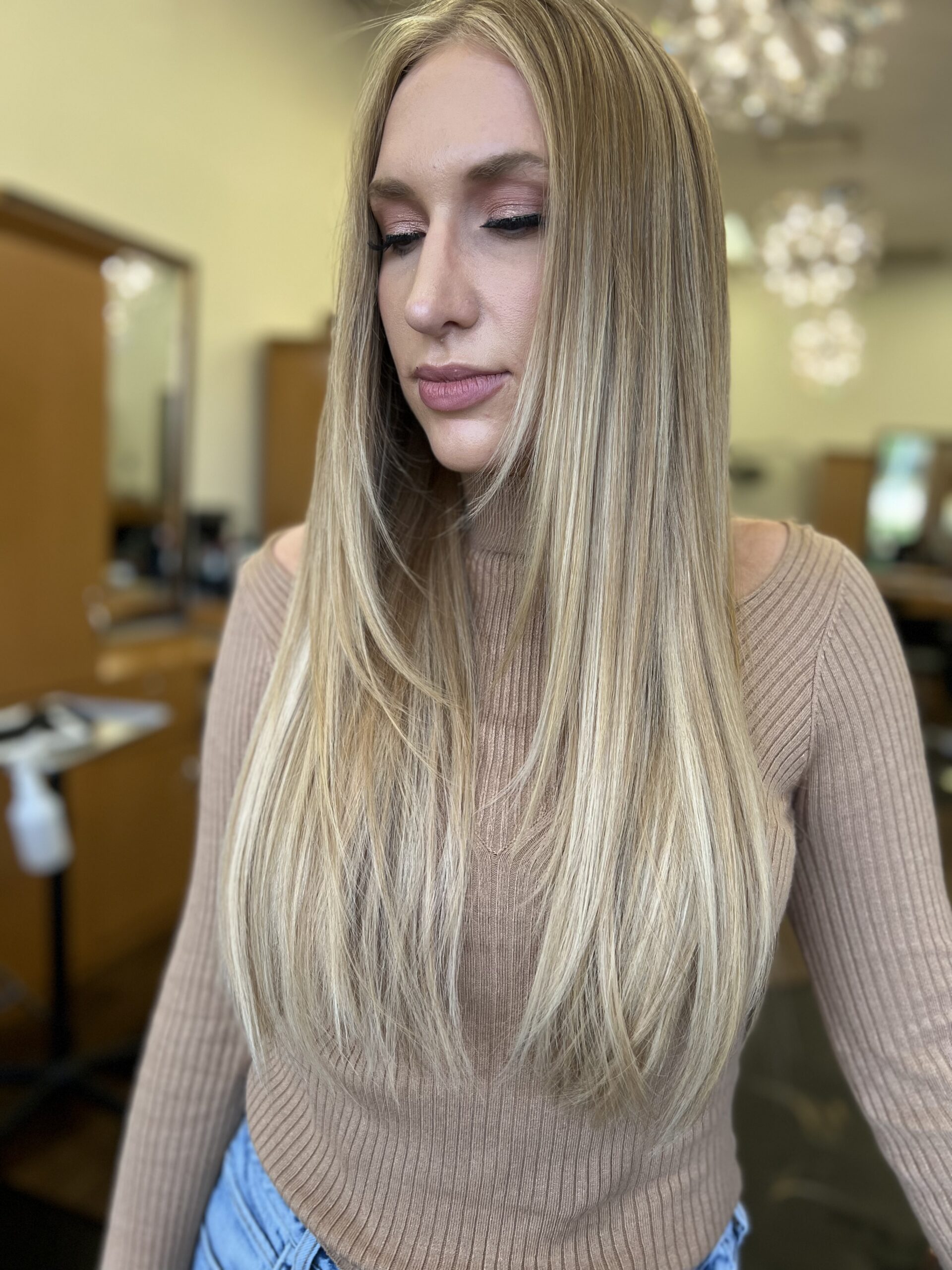
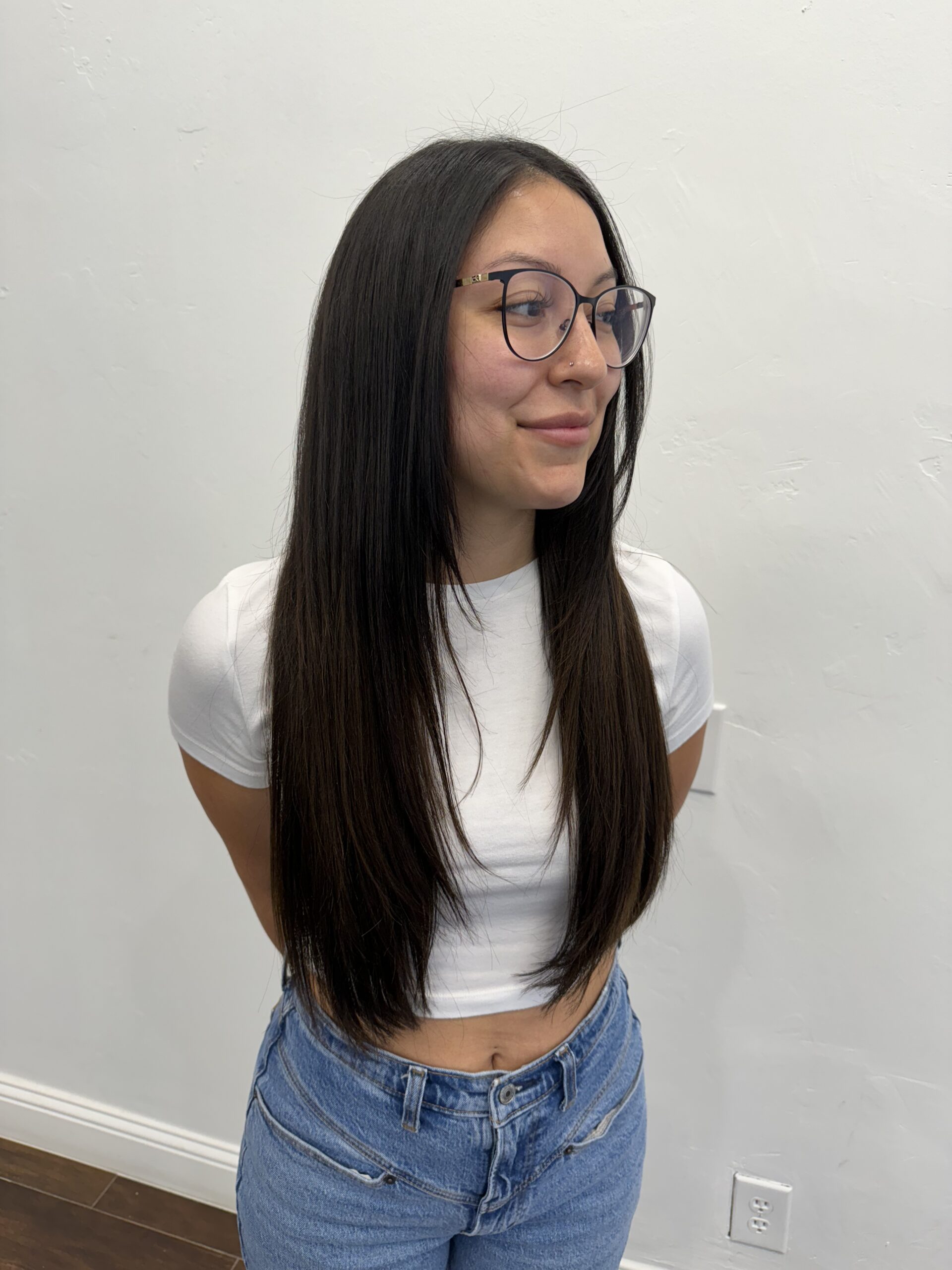
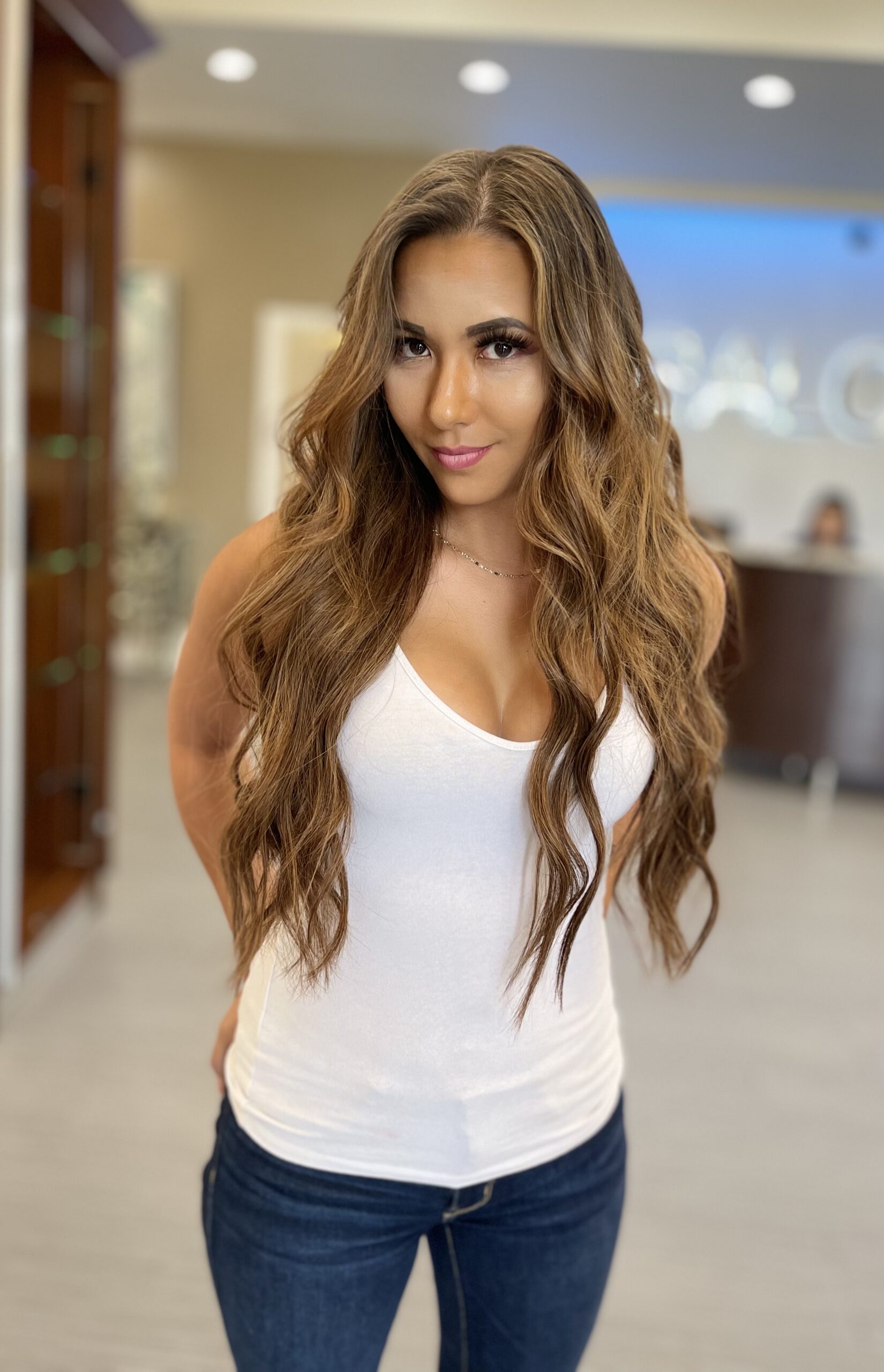
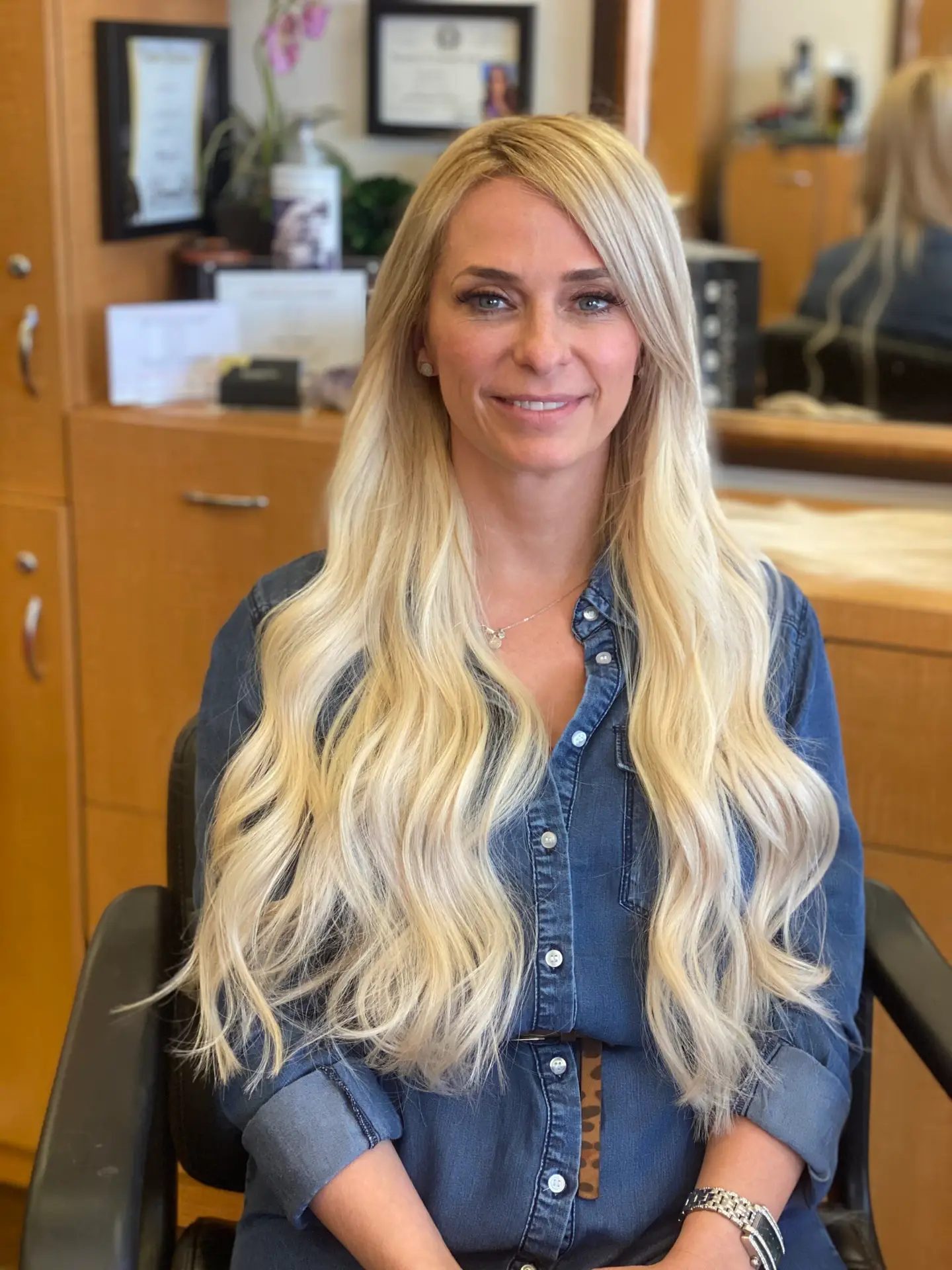
When installed and maintained properly, hair extensions should not ruin your natural hair.  The correct method/ type of extension is also key. When extensions are too heavy, installed incorrectly, or neglected, they can absolutely cause damage—I’ve seen it happen. Think thinning hair, breakage, or even bald spots. That said, I’ve also had clients wear extensions for years and grow their hair out without any harm, because we follow best practices every step of the way.

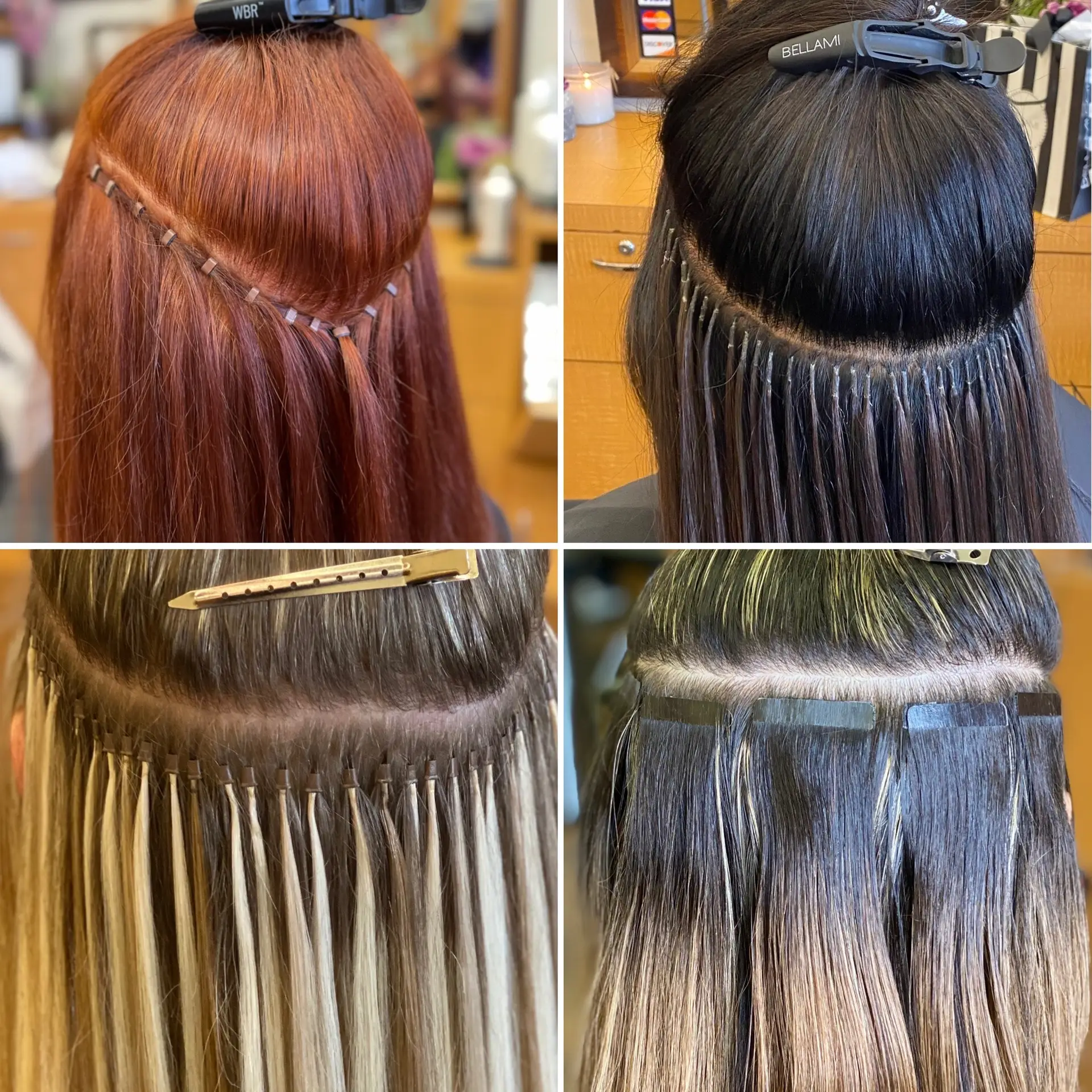
Properly Installed Extensions

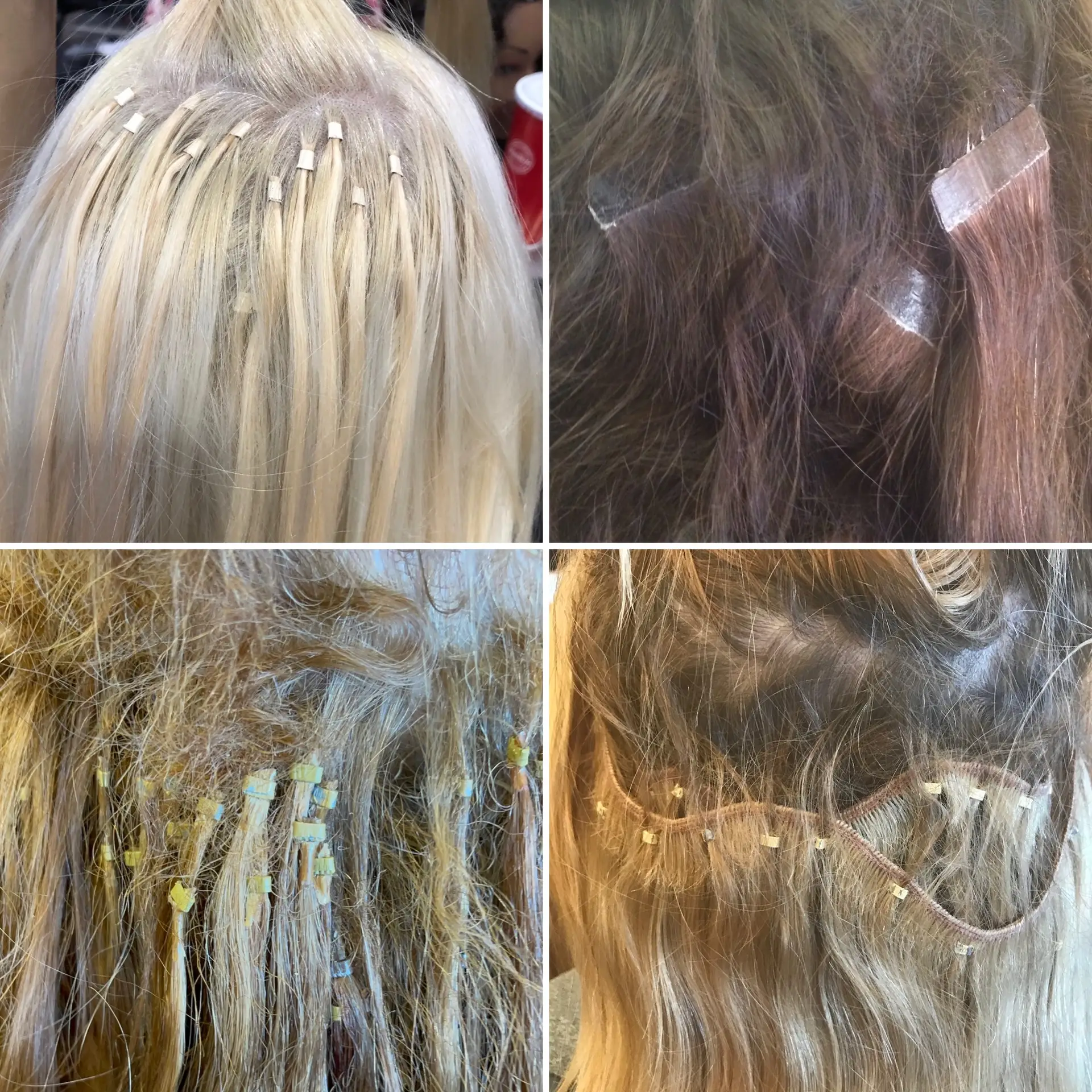
Improperly Installed Extensions

properly installed hair extensions
Bad Extension Installs

How Different Types of Hair Extensions Affect Hair Health?

Not all hair extensions are created equal. Here’s what I’ve learned from years of working with every type on the market:

Clip-In Hair Extensions

Great for events or occasional use. Clip ins are a fabulous commitment free option But if you clip them in the same spot daily, they can weaken your roots over time and can result in traction alopecia. I always tell my clients to move them around and take them out before sleeping. Sleeping, showering or swimming with clip-ins will damage your hair!  There are also many types of clip-ins of varying composition and density.  Finding the correct weight for your hair type will also prevent damage.

Tape-In Hair Extensions 

Tape-In Hair Extensions blend beautifully but can be problematic if not removed correctly. If the adhesive isn’t softened with proper solution, you risk pulling out chunks of hair. Application of tape-ins for finer hair types should be a lighter density or a single sided application.  (tape-in extensions hair damage)

Weft Hair Extensions 

Wefts do generally work for most hair types, however the improper density of weft, type of weft and application will cause damage.  I have seen a few new clients with  traction alopecia from poorly done hand tied sew-ins. The placement of the weft foundation should have proper weight distribution of the natural hair and should move above /below the previous section for the next move up. 

Keratin Bond / Fusion Hair Extensions 

These can last for months and look gorgeous—but installation takes skill. Ktips gone wrong can result in discomfort or pain by being installed too close to the scalp. Improper bond size & spacing can cause tension and breakage. Removing ktips requires as much attention to detail as the install. Improper solution, rushing the removal will damage and break the hair.  Clients at home care vital for success in all methods but especially for ktips.  Ktips are installed with a heat tool and it is imperative to keep heat styling tools away from the bond to prevent the bond from melting into the rest of the hair.   Brushing prevents matting of the bonds. 

Micro-Bead Itip Hair Extensions 

Installed strand-by-strand with tiny beads. If those beads are too tight or slip,  they can pull your roots.  Itips should  have a 360 range of motion- if they are installed too close to the scalp it will cause tension, pain and will lead to damage. When done right? Almost undetectable.

Least Damaging Hair Extensions 

 Clip-ins or halo extensions are the gentlest—especially for fine or thinning hair. (least damaging hair extensions)They require no heat or chemicals and allow the scalp to rest.  As for semi permanent extensions, In my experience, any extension properly matched to hair type, installed and maintained correctly will cause  minimal damage. 

What Causes Hair damage from hair Extensions?

From the stylist side of the chair, here are the top culprits I see:

  • Poor Installation: DIY jobs or inexperienced stylists often apply too much weight or tension.
  • Ignoring Maintenance: Clients who skip brushing, proper washing, or sleep care often experience breakage.
  • No Breaks Between Installs: Your natural hair needs time to rest and recover.
  • Low-Quality Hair or Adhesives: Cheap extensions shed, tangle, and tug on your real hair.

How to Prevent Hair Damage While Wearing Extensions?

Here’s what I personally recommend to every extension client:

  • Choose the Right Type for Your Hair Texture: If your hair is fine, I steer you away from heavy options like sew-ins. (how to protect hair with extensions)
  • Work With Certified Stylists Only: I’ve corrected a lot of extension disasters from YouTube-inspired DIYs.
  • Stick to a Maintenance Routine: Brush gently, use sulfate-free shampoos, and avoid oil near bonds. (brushing hair extensions correctly)
  • Sleep with Care: Always braid or tie your hair in a low ponytail before bed. (how to sleep with hair extensions)
  • Take Breaks: I typically recommend clients go extension-free depending on their hair needs. (take breaks between installations)

Signs Your Hair Extensions Are Damaging Your Hair?

If you’re noticing any of these signs, it’s time to reassess:

  • Scalp redness, irritation, or itching
  • Hair shedding more than usual
  • Breakage near the roots or bald patches
  • Constant tightness or soreness around extension points

When in doubt, schedule a consultation with Rachel Ani in Dallas Tx. I’ve caught early-stage traction alopecia and helped reverse it just by removing extensions early.

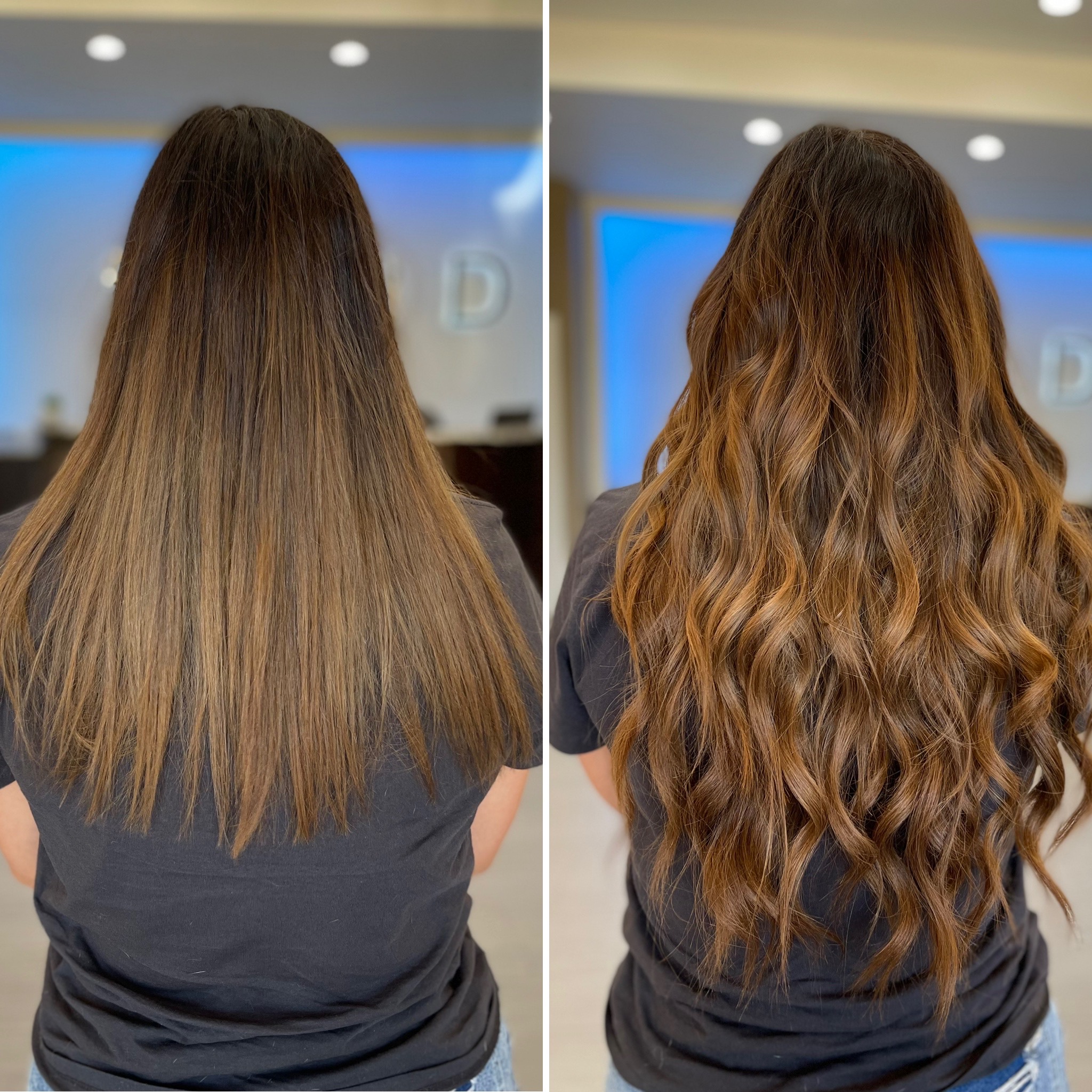
volume extensions

FAQ’S


  1. Can hair extensions cause permanent damage?

Yes, they can—but only if they’re improperly applied or left in too long. When tension, weight, or poor maintenance come into play, the risk of breakage or long-term hair loss increases. With the right care, however, damage is totally preventable.

  1. How long can I safely wear extensions?

This depends on the method you choose. For example, tape-in extensions should be replaced every 6–8 weeks, while keratin fusion types can last up to 3–5 months. Regular check-ins with your stylist are key to knowing when it’s time to refresh or remove them.

  1. Do I need to give my hair a break between extension installs?

Absolutely- break between installations will allow your natural hair to rest, recover, and benefit from deep conditioning treatments. The duration of the break depends on the overall health of your hair. If all is well and there’s no sign of damage, a 1-2 week break keeps the straining of  your natural hair. If there are early signs of thinning, dryness, change in texture or breakage, a 4-6 week rest is ideal.  If there is visible damage, scalp irritation, or receding hairlines. A 6-12 week break is needed and extension installation would be reassessed at the end of that timeframe.  Any major change in scalp health, color, hair shedding or bald spots will also warrant a break and you will be advised to consult with a dermatologist or specialist to rule out underlying health conditions. 

  1. What are the safest extensions for thin or fine hair?

For finer textures, clip-ins or halo extensions are the safest bet. They apply minimal stress to the roots and can be easily removed at home, reducing long-term wear impact.

  1. Will my hair grow back if I experienced some shedding after extensions?
    In most cases, yes—hair typically regrows as long as there’s no scarring or permanent follicle damage. Good post-removal care (like scalp massages, protein treatments, and minimal styling) can help speed up the process.

REAdY To TRY EXTENSIONS WITHOUT THE DAMAGE?

If you’re curious about hair extensions but worried about damage, book a consultation with a certified stylist (like me!). We’ll go over your hair type, lifestyle, and styling goals to find the safest option. Hair extensions can be an amazing confidence boost—but only when done right. Trust your hair with someone who treats it like their own. Get the best hair extensions and expert consultation from Rachel Ani, at Salon D.